
5 Signs Your Dog Is Struggling with Anxiety
Dogs can't tell us when they're anxious, but they show us. Here are the key signs to watch for — and what you can do to help.
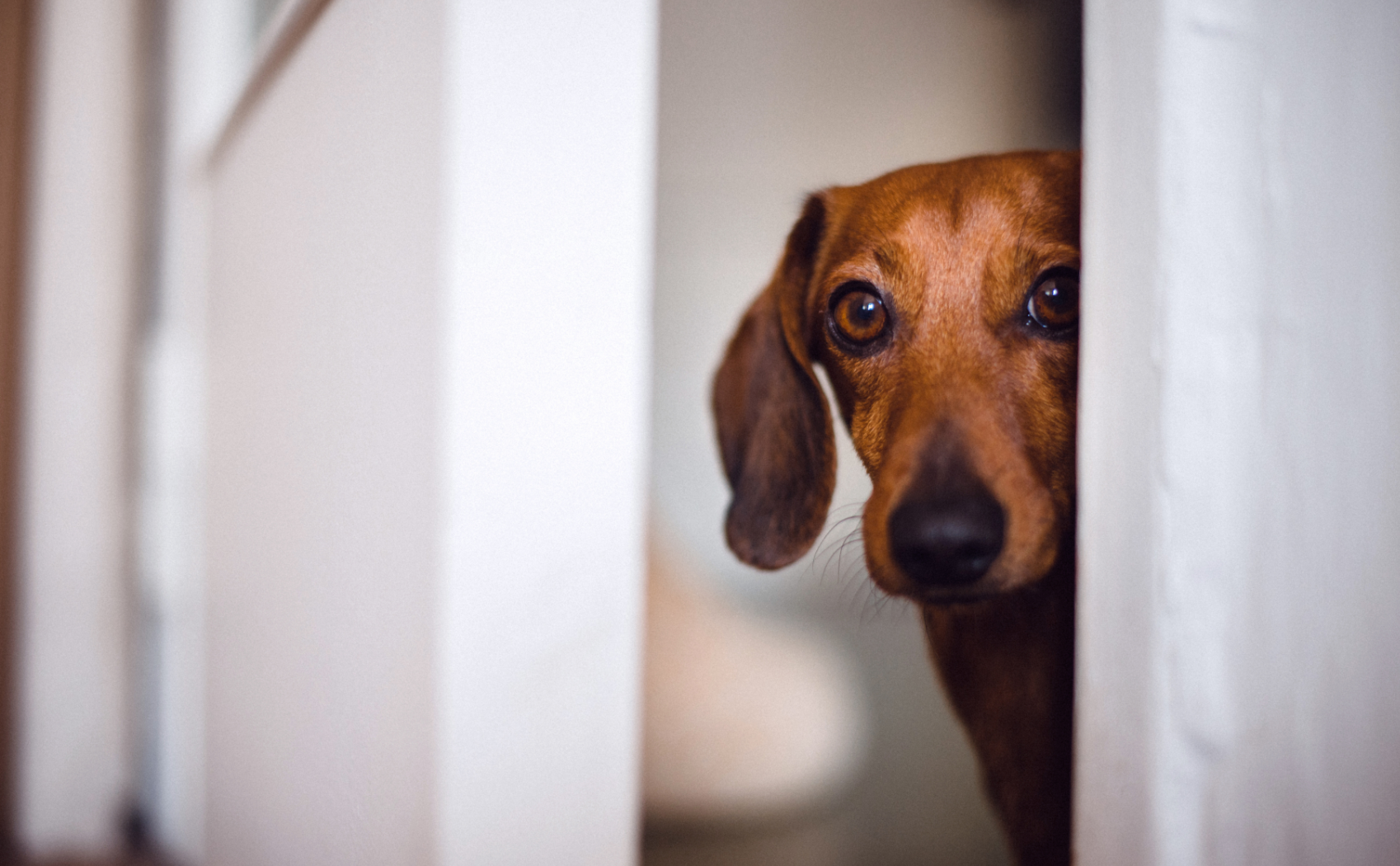
Anxiety in dogs is more common than most pet owners realize. Unlike humans, dogs can't verbalize their stress — but their bodies and behaviors tell a clear story. Learning to recognize the signs early can make a significant difference in your dog's quality of life.
1. Excessive Barking or Whining
One of the most obvious signs of anxiety is vocalization that seems out of proportion to the situation. If your dog barks persistently when left alone, whines frequently without an obvious cause, or becomes vocal in situations they once handled calmly, this is your dog communicating distress. Separation anxiety is a particularly common trigger, with many dogs beginning their anxious barking within minutes of an owner leaving.
2. Destructive Behavior When Alone
Coming home to chewed furniture, scratched doors, or scattered belongings is a classic hallmark of separation anxiety. Dogs don't destroy things out of spite — they do it because anxiety creates an overwhelming need to self-soothe or escape. Pay attention to whether the destruction happens only during your absence or around specific triggers like thunderstorms or visitors, as this helps identify the root cause.
3. Hiding or Cowering
A dog that retreats under the bed, hides behind furniture, or presses into corners is exhibiting fear-based anxiety. This behavior is especially common around loud noises, unfamiliar people, or new environments. Some dogs become so skilled at hiding their anxiety that owners miss the early signs — regular check-ins with your dog's behavior and body language are essential.
4. Pacing and Restlessness
If your dog can't seem to settle — repeatedly getting up, circling, moving from room to room, or seeming unable to relax despite being tired — anxiety may be the cause. This restlessness is your dog's nervous system in overdrive, unable to shift into a calm state. It's often most visible during transitions, like guests arriving or before a car ride.
5. Changes in Appetite
Anxiety affects the gut. Dogs experiencing chronic stress may eat significantly less, lose interest in treats they normally love, or conversely, engage in stress-eating behaviors. If your dog's eating habits have shifted without an obvious medical explanation, it's worth considering whether anxiety might be playing a role.
If your dog shows multiple signs consistently, a combination of behavioral training, environmental enrichment, and natural supplementation can be highly effective. Natural supplements like Nuvi are formulated specifically to support dogs showing signs of anxiety, using evidence-backed ingredients like L-Theanine and Lemon Balm as part of a comprehensive approach to canine calm. Always consult your veterinarian if anxiety symptoms are severe or sudden in onset.
Related Articles

Lemon Balm for Dogs: What the Science Says
Calm, not sleepy: most calming herbs were never tested on actual dogs. Lemon balm is the rare exception – and it’s why it anchors every Nuvi chew.
L-Theanine for Dogs: What the Science Says
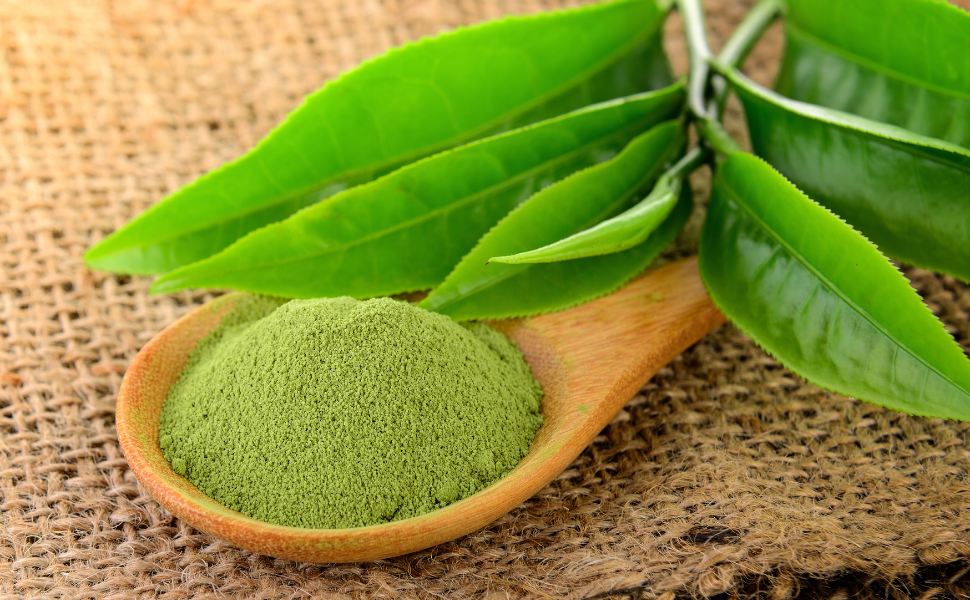
L-Theanine is one of nature's most effective calming compounds. Here's how it works and why it's in every Nuvi chew.
Natural Support
Give Your Dog the Calm They Deserve
Nuvi's vet-formulated calming chews use science-backed ingredients to help your dog feel safe, relaxed, and happy — every single day.
Shop on Amazon