
What Your Dog Sitter Actually Needs to Know
The best boarding handover is not about packing more. It is about helping your dog keep the familiar parts of his day — and telling his sitter what stress looks like.
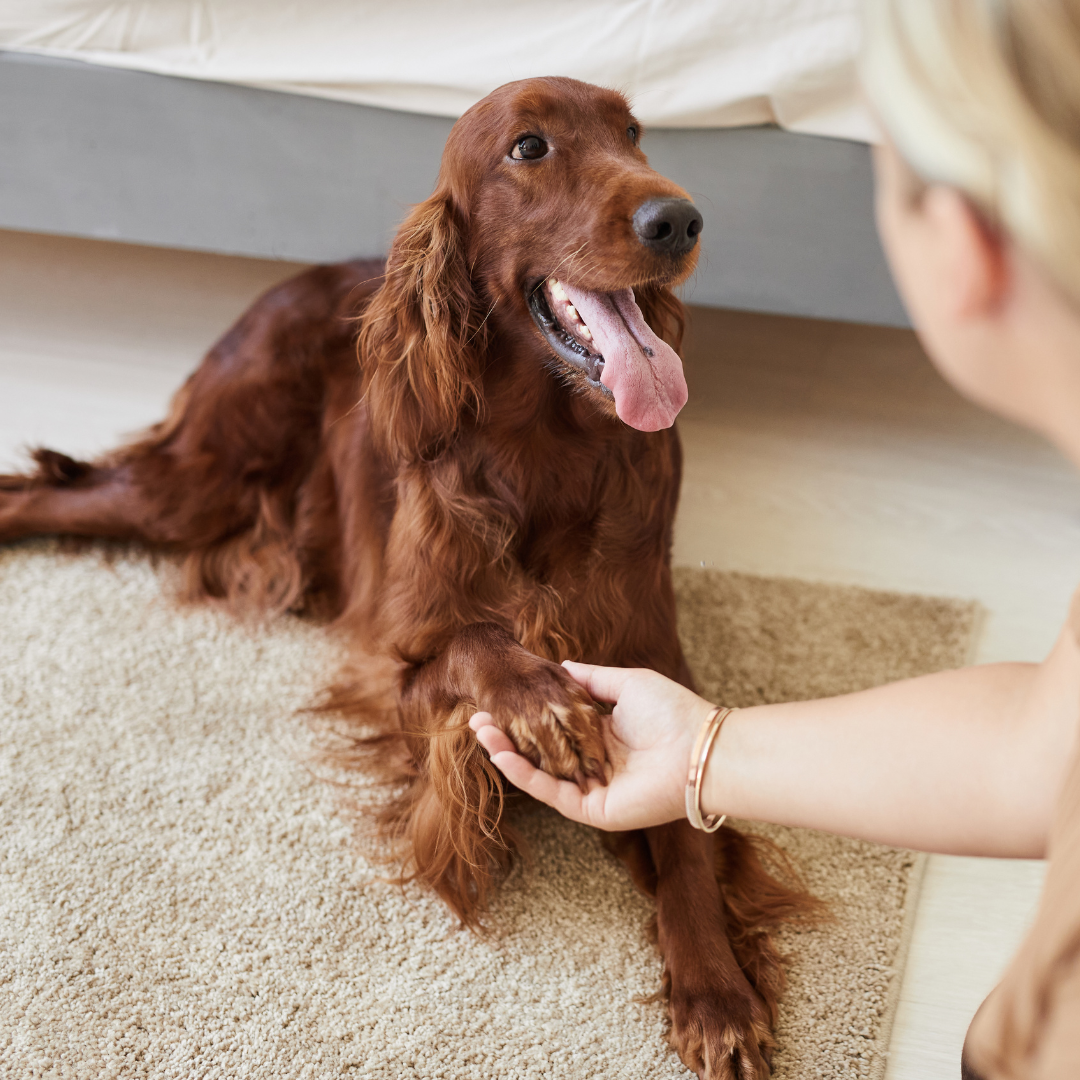
Most people book boarding the same way. You open four tabs, compare outdoor space, look for the one with the webcam, read the reviews, and pick the nicest building you can afford. Almost none of that is what your dog is going to notice.
Here is the thing worth holding onto before you pack anything: your dog's problem with boarding is not the kennel. It is the not-knowing. Nobody can tell him this is four days. Nobody can tell him you are coming back on Sunday. What he is dealing with is an open-ended absence with no information in it.
Which makes the useful question not “how nice is this place?” but “how much of his normal day can survive inside it?” That is good news, because the second question is one you can actually do something about.
Write His Routine Down
This is the single highest-value thing you can do, and it costs nothing. Not the basics — every kennel asks for feeding amounts. We mean the specifics that live in your head and nowhere else:
- What time he actually eats. Not “morning and evening” — the time.
- Which walk route he knows, and how he is off-leash.
- Where he sleeps, and whether the door is open or shut.
- The phrase you use at bedtime. He knows it. A stranger saying it means something.
- What he is allowed on and what he is not, so he is not suddenly getting told off for something that is fine at home.
- Who may authorize treatment if you cannot be reached, and up to what amount.
That last one almost never gets written down, and it is the one that causes real problems at 11pm on a Saturday.
The One Nobody Writes Down
Here is the line that matters most, and we would put it above everything else on this page: write down what your dog looks like when he is not coping.
Stress signals are personal. Some dogs get loud — pacing, whining, barking at nothing. Plenty of dogs go the other way: quiet, still, withdrawn, lying with their back to the room and not asking for anything.
And a busy boarding facility will read that second dog as settled. He is not barking. He is not destroying anything. He is no trouble at all. So he gets left alone with it, sometimes for days.
Nobody at that facility can work this out over a weekend. You have had years. Write it down: “When he is stressed, he stops asking for things and lies with his back to the room. If you see that, sit near him with something to chew — do not make him come to you.”
Thirty seconds of writing. It is the difference between staff who can spot it on day one and staff who find out on day four.
Send the Bedding Unwashed
It feels wrong to hand someone a grubby blanket. Send it anyway.
Scent is one of the most reliably settling things available to a dog, and a bed that smells of home does more regulating work than almost anything else you can pack. Washing it removes the entire point.
Kennel or Sitter? They Fail Differently
People ask which is better. The honest answer is that neither is better — they fail in opposite directions.
A sitter in your home keeps the environment constant and changes the person. Everything smells right, the routine can stay almost identical, but the human is a stranger.
A boarding facility changes everything at once, but there is structure, and there is someone there overnight.
So, roughly: a dog who is deeply attached to his own space, an older dog, or one who finds new environments hard will usually do better at home with a sitter. A sociable, adaptable dog often does perfectly well in kennels — some genuinely enjoy the company.
What matters more than the category is consistency of handler. The same person, following the same routine, beats a nicer building with rotating staff.
If It Is His First Time, Do a Trial
A day visit, or one single overnight, a few weeks before the real trip.
Almost nobody does this, because it feels like paying for something you do not need. What it buys you is a dog whose first experience of that place is not also four days long — and it buys you information, because you find out how he actually copes while it still does not matter.
Drop-Off, and Coming Home
Keep the goodbye short. Not cold — short. A long, emotional goodbye tells your dog that something significant and worrying is happening, and he will believe you.
Expect a wobble when he gets home. Tiredness. Clinginess. A couple of days of sleeping it off. Sometimes loose stools, from the stress and the change of water. That is normal and it usually settles within a few days.
Call your vet if he is not eating, if it drags on, or if he has developed a cough.
Two Admin Things to Do Early
Kennel cough vaccination. Most facilities require it, and most require it a couple of weeks ahead. Check the requirement the day you book, not the week before you travel.
Your microchip details. The chip only works if the phone number registered to it still rings. If you have changed numbers since you got him, it does not.
The Handover Sheet
We built the whole thing into a form you can fill in and email, or print and hand over. It covers the practical stuff on page one, and the part nobody writes down on page two.
Download the handover sheet (PDF)
No email required. If it is useful to your kennel or sitter, send it on to them — several already give it to their own clients.
Nuvi makes calming chews for dogs. They build gradually, so if you are using them around a trip they belong in your calendar a couple of weeks before drop-off rather than in the bag on the day — and they sit alongside the routine work above, not in place of it. Speak to your vet, particularly if your dog takes anything else.
This article is educational and is not a substitute for veterinary advice.
Related Articles

Lemon Balm for Dogs: What the Science Says
Calm, not sleepy: most calming herbs were never tested on actual dogs. Lemon balm is the rare exception – and it’s why it anchors every Nuvi chew.
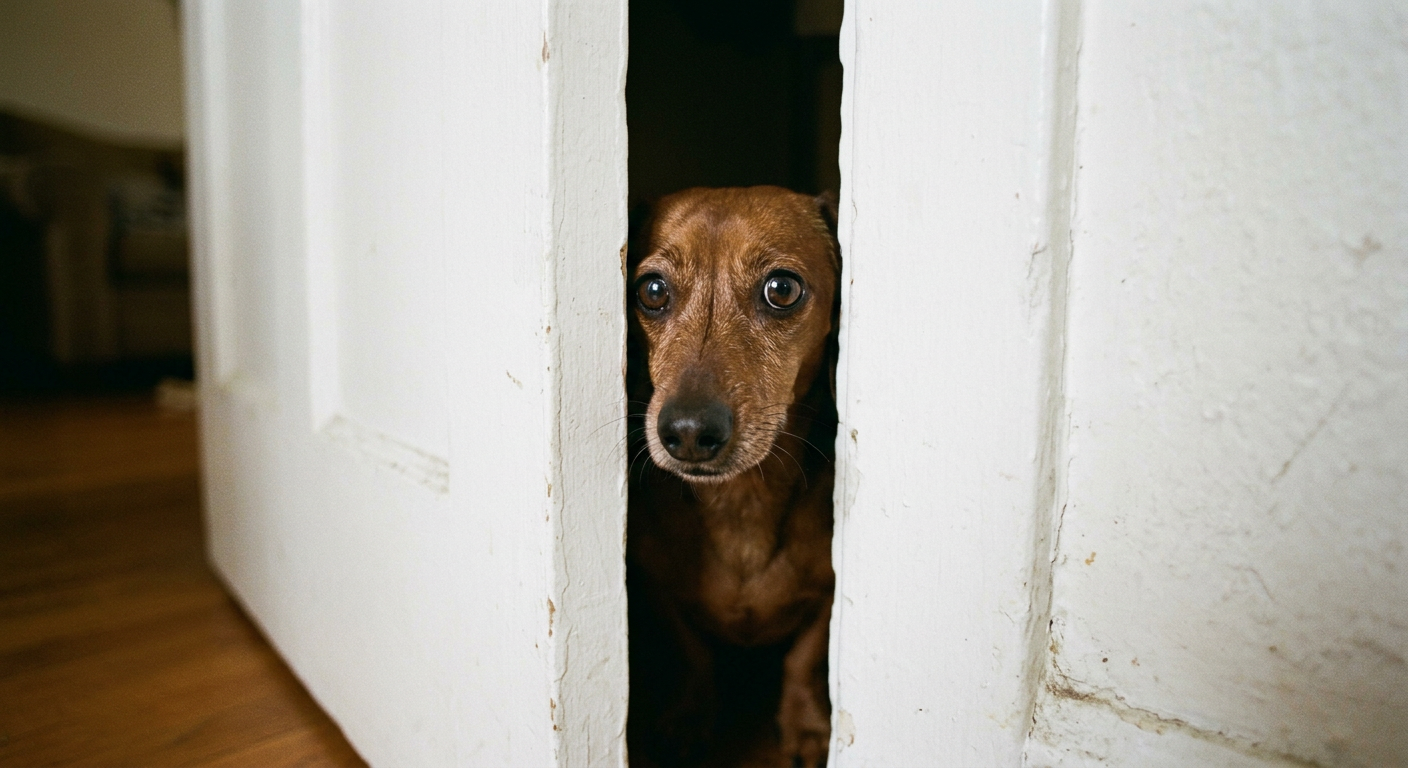
5 Signs Your Dog Is Struggling with Anxiety
Dogs can't tell us when they're anxious, but they show us. Here are the key signs to watch for — and what you can do to help.
Natural Support
Give Your Dog the Calm They Deserve
Nuvi's vet-formulated calming chews use science-backed ingredients to help your dog feel safe, relaxed, and happy — every single day.
Shop on Amazon